
How to Build a Smaller Plate That Still Nourishes You
When appetite becomes smaller, the usual idea of a balanced meal can start to feel less useful. A full plate may look sensible on paper, but feel impossible in real life. You may know what a meal is supposed to include, yet not be able to manage the same amount of food you would have eaten before.
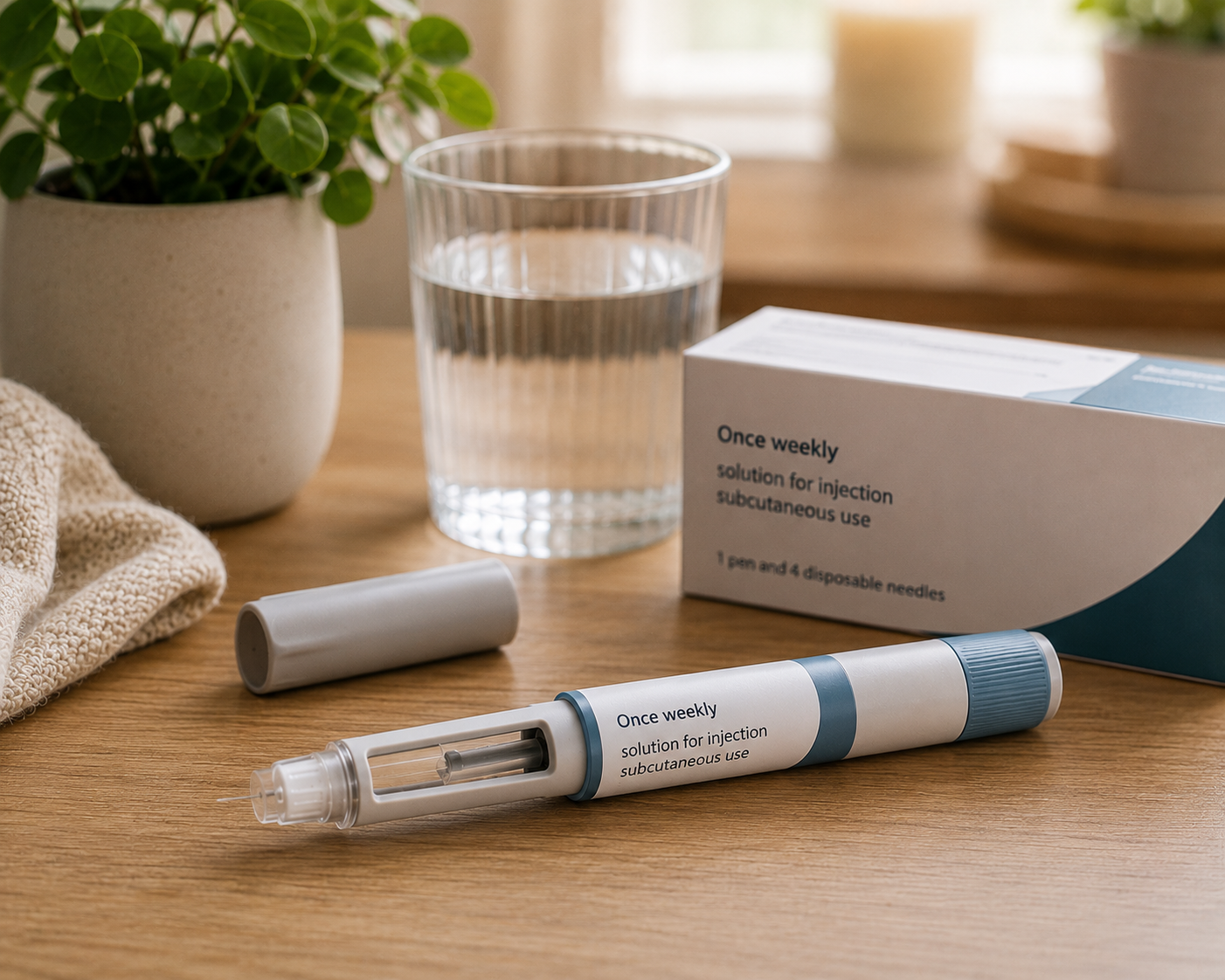
This is a very common adjustment on weight loss medication. The medication can reduce appetite quite strongly for some people. Meals may become smaller because your body is giving you an earlier stop signal, not because you are deliberately trying to cut food back as far as possible.
That is why the structure of a smaller meal matters. When there is less room, the question becomes: what needs to be prioritised?
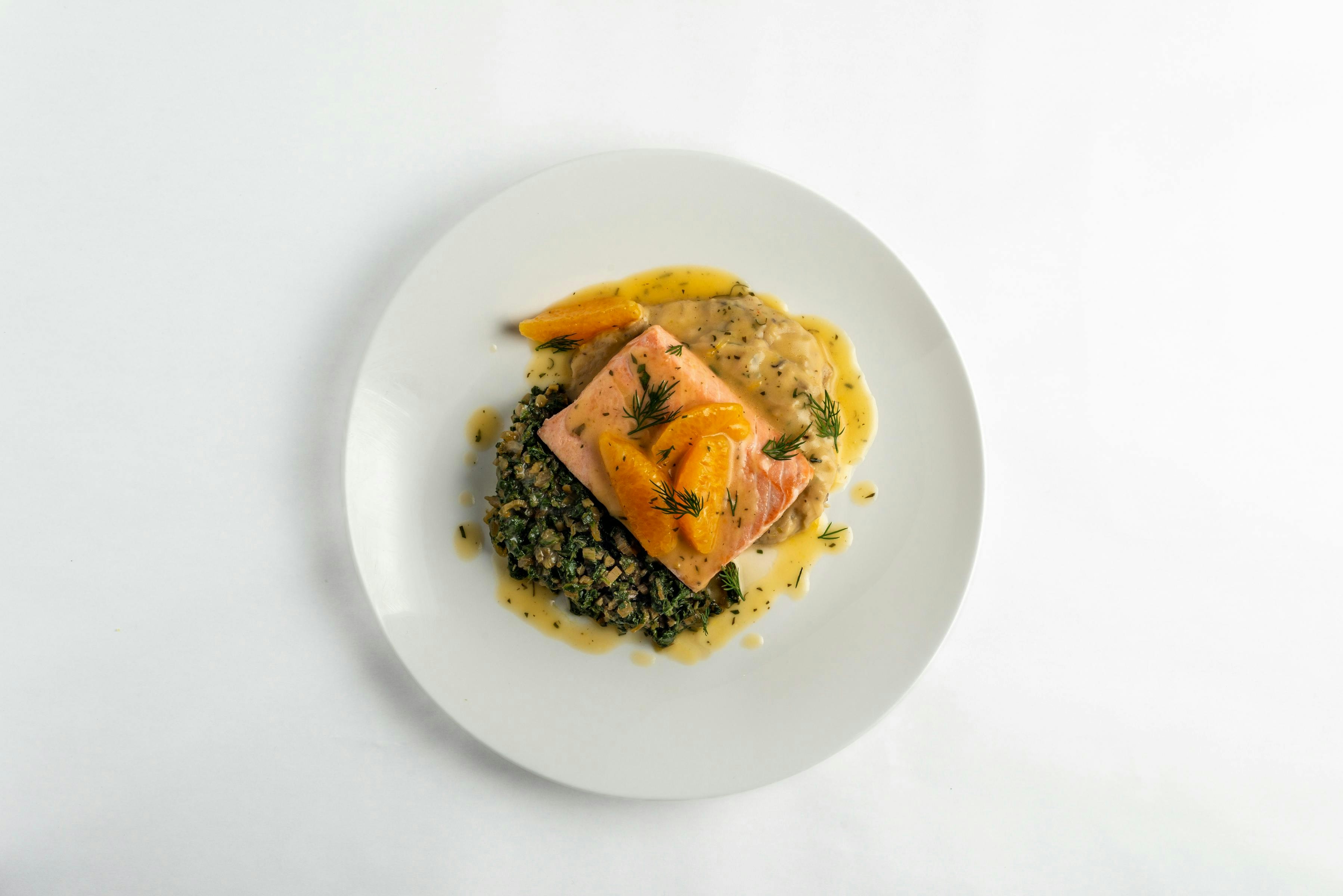
A smaller plate does not need to look like a diet plate. It does not need to be mostly salad, or missing whole food groups, or arranged perfectly. It simply needs to give your body enough of what matters, in an amount you can comfortably manage.
Protein is usually the best place to start. Not because protein is a magic solution, but because it is easy for protein intake to fall when portions shrink. Protein supports muscle, strength, repair and fullness. If appetite is low and you are only managing part of a meal, the protein part is often worth eating first.
That might be eggs, fish, chicken, turkey, lean meat, yoghurt, milk, tofu, beans, lentils, cheese or cottage cheese. It does not have to be unusual food. A small omelette, tuna on toast, yoghurt with oats, chicken in soup, beans on a small baked potato, or fish with vegetables can all work.
Carbohydrate is still useful, even when the portion is smaller. Foods like bread, potatoes, rice, pasta, oats and cereals help provide energy and make meals more sustaining. On weight loss medication, the amount may naturally reduce because appetite is lower. That is different from needing to remove them altogether.
For some people, a few mouthfuls of protein and vegetables may feel like plenty in the moment, but they are left tired or flat later because the meal did not provide much energy. Adding a small portion of carbohydrate can help. That might be half a slice of toast with eggs, a spoonful of rice with chicken, a small potato with fish, or oats stirred into yoghurt.
Fibre is another part to keep in mind. This can come from vegetables, fruit, beans, lentils, wholegrain foods, nuts or seeds. Fibre supports digestion and bowel habit, which is especially relevant because constipation can become more common when appetite and food volume drop.
The answer is not always a large salad or a big portion of vegetables. That can feel too bulky when appetite is low. Smaller amounts can still help. Soup with lentils or beans, cooked vegetables, fruit with yoghurt, wholegrain toast, berries, stewed fruit, or vegetables added into a simple meal can all contribute.
Fat also has a place, but tolerance can change. Some people find fried foods, creamy sauces, large portions of cheese, or very heavy meals sit less comfortably than before. This does not mean fat needs to be avoided. It means portion and comfort matter. Olive oil, avocado, nuts, cheese, oily fish or a little butter can all fit, depending on what feels manageable for you.
If you are unsure how to put this together, think in simple combinations rather than recipes. Eggs, toast and tomatoes. Soup with chicken or lentils and a small piece of bread. Yoghurt, fruit and oats. Tuna, potato and salad. Chicken, rice and vegetables. Beans on toast with a little cheese. Cottage cheese with crackers and fruit.
These meals may be smaller than what you were used to, but they still have a shape. That shape matters. It helps avoid the pattern of taking a few random bites through the day, then wondering why you feel weak, nauseous, constipated or low in energy.
Convenience foods can also be useful here. Not everyone wants to cook from scratch, especially when appetite is low. Supermarket soups, cooked chicken, microwave rice, tinned fish, frozen vegetables, yoghurts, ready-made salads, eggs, beans and wholegrain bread can all help you put together a meal quickly. A practical meal that happens is better than an ideal meal that feels like too much effort.
It can help to ask a few simple questions when you are building a smaller plate. Is there some protein? Is there enough energy to carry me for a while? Is there some fibre in the day? Is this likely to sit comfortably?
You do not need to answer those questions perfectly at every meal. They are just a way of bringing a little structure to eating when appetite is no longer guiding you in the same way.
If smaller portions are making it difficult to know what to prioritise, or you are unsure whether your meals are supporting you well, you can follow the links on our homepage to book a one-to-one call with a Synergy BMI specialist.
Building a smaller plate is not about eating as little as possible. It is about making the food you do eat work well for you. The best meals are often ordinary, manageable and repeated often enough that you do not have to think too hard about them.
Educational content only. This article does not replace medical advice. If side effects persist, worsen, or cause concern, speak with your prescriber.
© Synergy Wellness Limited trading as Synergy BMI. All rights reserved.