
Once weight loss medication starts to reduce appetite, meals can become much smaller quite quickly. For some people this feels like a relief. The constant pull towards food softens, portions reduce, and it becomes easier to stop.
The practical question that follows however must be “What does my body still need from the smaller quantity of food I am eating?”
Protein is one of the first things to think about. Not in a gym-focused way, and not because every meal has to become high-protein. It matters because when portions are smaller, the basics can get squeezed out without anyone meaning for that to happen.
You might have a slice of toast in the morning, a salad at lunch, then a small amount of dinner because you are full quickly. That may not feel like a problem at the time, especially if hunger is low. But across the day, there may have been very little protein. After a while, that can affect energy, strength and how well meals carry you from one part of the day to the next.
Protein helps support muscle and strength while weight is changing. This is important because weight loss is not only about the number on the scales. The aim is to lose weight in a way that still supports your body. Food intake may be lower, but your body still needs the raw materials to maintain everyday function.
This does not mean you need to count grams of protein or follow a strict target unless you have been advised to. For most people, a simpler approach is enough. When you look at a meal, ask yourself: where is the protein here?
At breakfast, that might mean adding yoghurt, milk, eggs or cheese rather than having only toast or fruit. At lunch, it might mean including tuna, chicken, beans, lentils, cheese or hummus rather than relying on something very small that will not last. At dinner, it may mean eating some of the fish, chicken, meat, tofu, beans or lentils before you become too full.
That last point matters. When fullness arrives quickly, the order you eat in can make a difference. If you leave the protein part until the end of the meal, you may be too full to manage much of it. Some people find it helpful to start with a few bites of the protein part first, then continue with the rest of the meal as appetite allows.
The aim is not to eat large portions of protein. It is to avoid protein disappearing from the day because appetite is low. A smaller amount at two or three points across the day is often more realistic than trying to manage one large protein-heavy meal.
Protein foods do not have to be dry, plain or difficult to eat. In fact, when appetite is low, softer options can be easier. Yoghurt, eggs, soup with lentils, fish, cottage cheese, milk-based drinks, beans, or tender chicken may be more manageable than dense or very chewy foods. What works for one person may not work for another, so it is worth noticing which textures sit best for you.
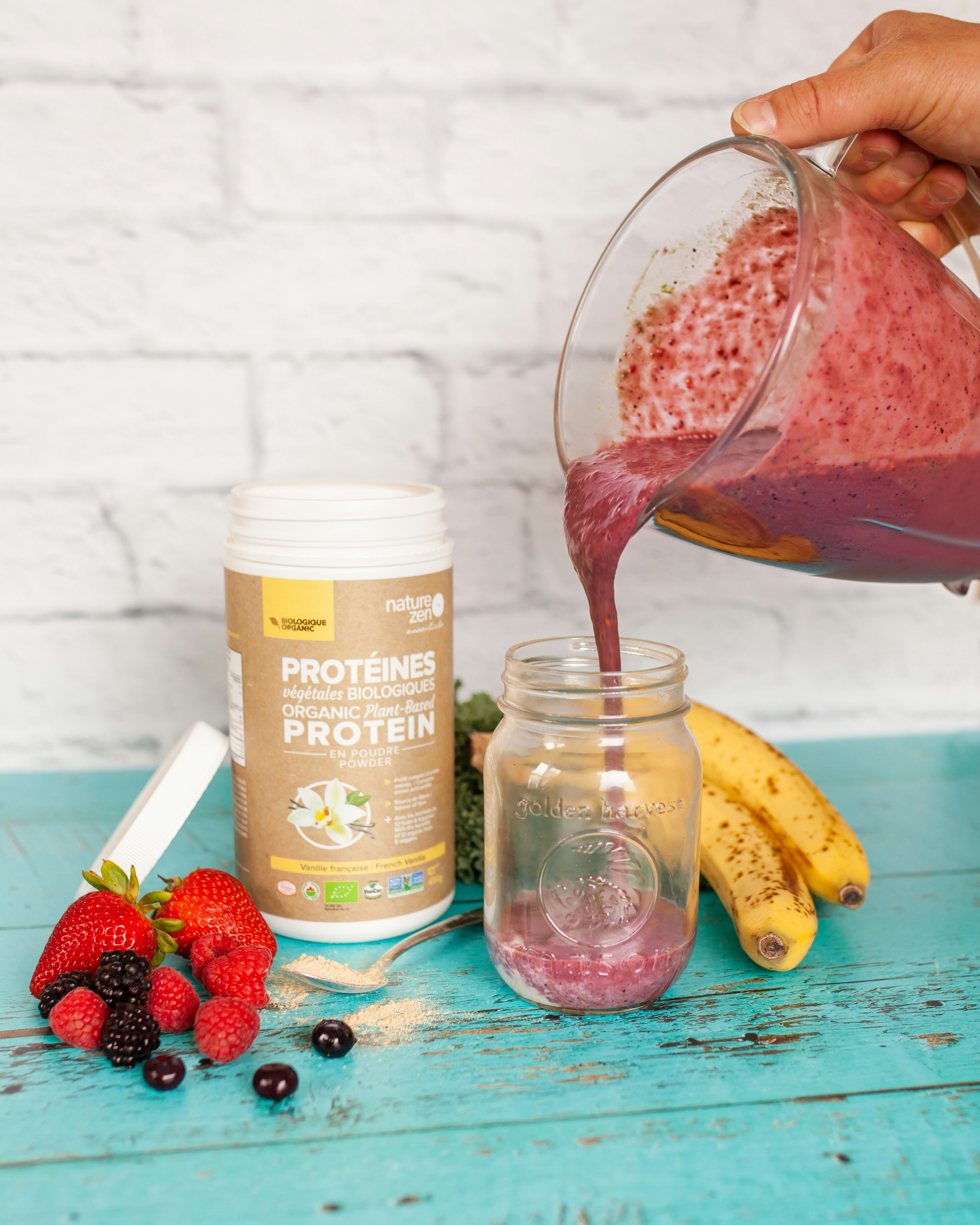
Some people use protein yoghurts, protein drinks or ready-made options. These can be helpful, especially on days when eating feels limited, but they are not an ideal long term replacement for whole food sources of protein.
It is also worth saying that protein does not need to crowd everything else out. Meals still need enough energy, fibre and fluid across the day. If a meal is only protein and very little else, it may not support you as well as you expect. A small meal with protein, some carbohydrate and some fibre will usually be more useful than a few isolated bites of one thing.
Convenience matters too. People are more likely to eat enough protein when the options are easy to reach. Boiled eggs, yoghurts, tinned fish, cooked chicken, beans, cheese, hummus, lentil soup or leftovers can all make this simpler. The best choice is often the one that fits into your actual day, not the one that looks most impressive on paper.
If you are losing weight quickly, feeling weaker than usual, struggling to manage protein foods, or unsure how to build meals around your reduced appetite, you can follow the links on our homepage to book a one-to-one call with a Synergy BMI specialist.
Protein does not need to become another thing to worry about. It is simply one of the parts of eating that deserves attention when portions are smaller. A little planning here can help weight loss happen in a way that better supports strength, energy and everyday life.
Educational content only. This article does not replace medical advice. If side effects persist, worsen, or cause concern, speak with your prescriber.
© Synergy Wellness Limited trading as Synergy BMI. All rights reserved. This content may not be reproduced, copied, distributed, or used without written permission.