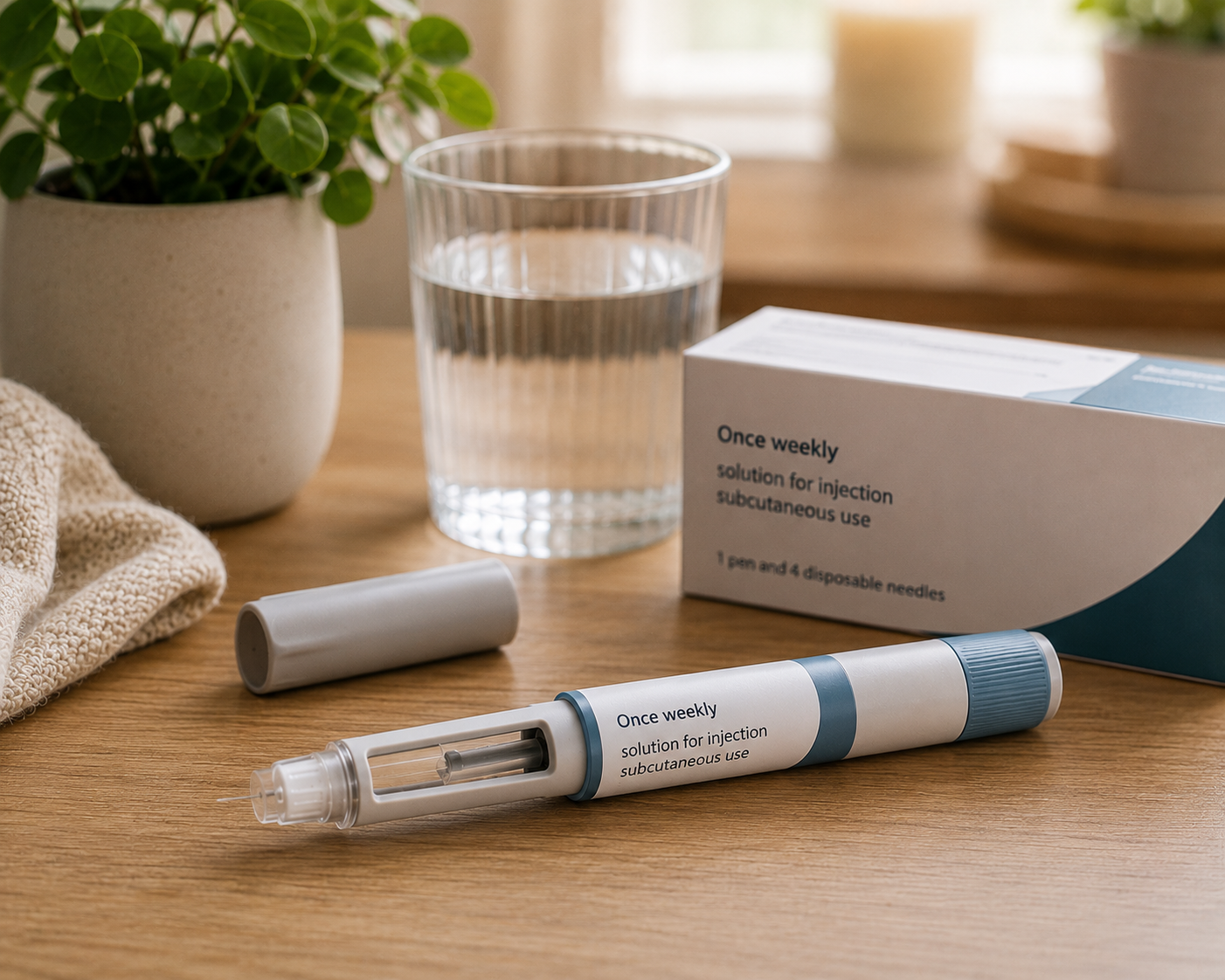


Nausea can make eating feel very different. It is not just that appetite is lower. Food can suddenly seem unappealing, smells may feel stronger, and the thought of a normal meal can be enough to put you off before you even start.
This can happen when starting weight loss medication, after a dose increase, or during a period when your body is adjusting. For some people it is mild and passes quickly. For others, it can interfere with eating, drinking and daily life. If nausea is persistent, worsening, or making it difficult to manage fluids or food, it is important to speak with your prescriber.
When you feel nauseous, large meals are often the hardest to face. A full plate can feel overwhelming, even if you know you need to eat. Smaller amounts tend to be more realistic. This might mean a few mouthfuls, then coming back to food later, rather than expecting yourself to manage a full meal in one sitting.
Plain foods often sit better than heavy, greasy or strongly flavoured meals. Toast, crackers, plain rice, potatoes, soup, yoghurt, eggs, cereal with milk, or a small sandwich may feel easier than richer foods. This is not about eating bland food forever. It is about choosing foods that feel possible while symptoms are present.
Temperature can make a difference too. Some people find hot food smells stronger and feels harder to manage. Cooler foods such as yoghurt, fruit, cereal, sandwiches, cottage cheese, or cold chicken may be easier on days when smells are making nausea worse. Others prefer warm soup or toast because it feels settling. There is no single rule. What matters is noticing what your body tolerates.
Eating slowly can help. Nausea often gets worse when food is eaten quickly or when portions are larger than your body can comfortably handle. Taking a few bites, pausing, and checking how you feel can prevent you from tipping into discomfort. You do not need to finish just because the food is there.
Long gaps without food can also make nausea worse for some people. You may not feel like eating, but having nothing in your stomach can sometimes leave you feeling more unsettled. A few bites of something plain earlier in the day can be easier to manage than waiting for proper hunger to appear. Hunger may not arrive in the usual way while you are on medication.
Fluids matter. If nausea makes eating harder, drinking can sometimes slip as well. Sipping regularly may be easier than trying to drink a large amount at once. Water, diluted squash, herbal tea, milk, or oral rehydration drinks if advised can all have a place. If you are vomiting, unable to keep fluids down, or showing signs of dehydration, you should seek medical advice promptly.
Some foods may be more difficult during nauseous periods. Fried foods, large portions, very creamy meals, strong smells, alcohol, or eating late and lying down soon after may all worsen symptoms for some people. This does not mean these foods are forbidden. It means they may not be the best choice when your stomach is already unsettled.
It is also worth considering protein, even when nausea is present. This can be difficult because many protein foods feel dense or unappealing. Softer options may work better, such as yoghurt, milk, eggs, cottage cheese, soup with lentils, fish, or tender chicken. Even small amounts can help keep meals more nourishing while your appetite is low.
There may be days when the best you can manage is very simple food. That is not a failure. During nausea, the priority is often to keep some food and fluids going in a way your body can tolerate. Once symptoms ease, meals can become more varied again.
Do not ignore nausea that is affecting your ability to eat, drink, work, sleep or function normally. Medication dose, timing, eating pattern and other factors may need to be reviewed. Your prescriber should be involved if symptoms are more than mild or short-lived.
If nausea or feeling put off food is making day-to-day eating difficult, you can follow the links on our homepage to book a one-to-one call with a Synergy BMI specialist. Practical support can help you think through what to eat, when to eat, and how to keep enough nourishment in the day while symptoms are being managed medically.
Nausea can make food feel like effort, but it does not mean you have to guess your way through it. Small, simple choices, regular fluids and early advice when symptoms persist can make this stage easier to manage.
Educational content only. This article does not replace medical advice. If side effects persist, worsen, or cause concern, speak with your prescriber.
© Synergy Wellness Limited trading as Synergy BMI. All rights reserved. This content may not be reproduced, distributed, or shared without prior written permission.