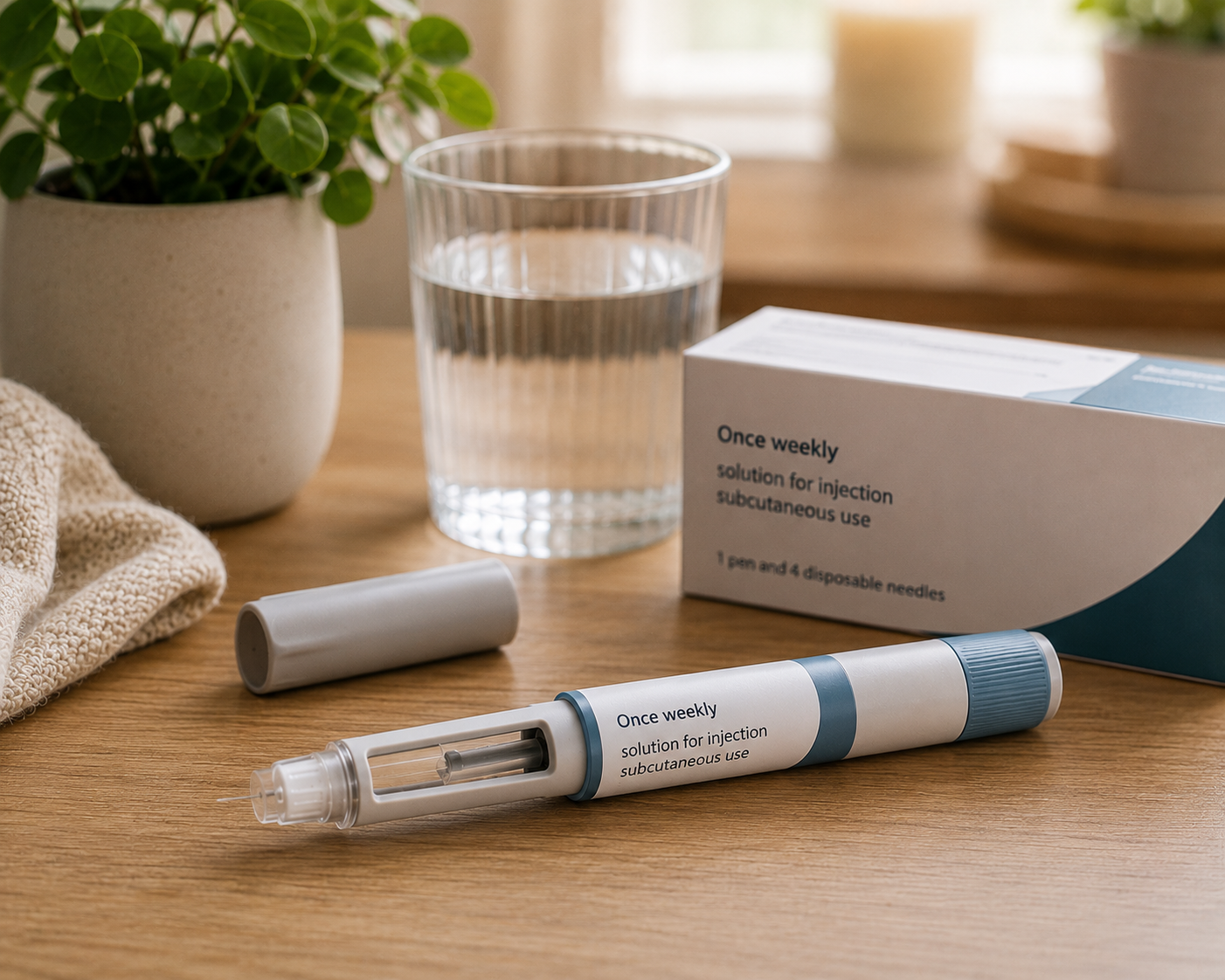

A lot of people expect snacking to disappear once weight loss medication starts working. Hunger is quieter. Meals are smaller. Food may not be on your mind in the same constant way. Then, often in the evening, the thought of a snack still appears.
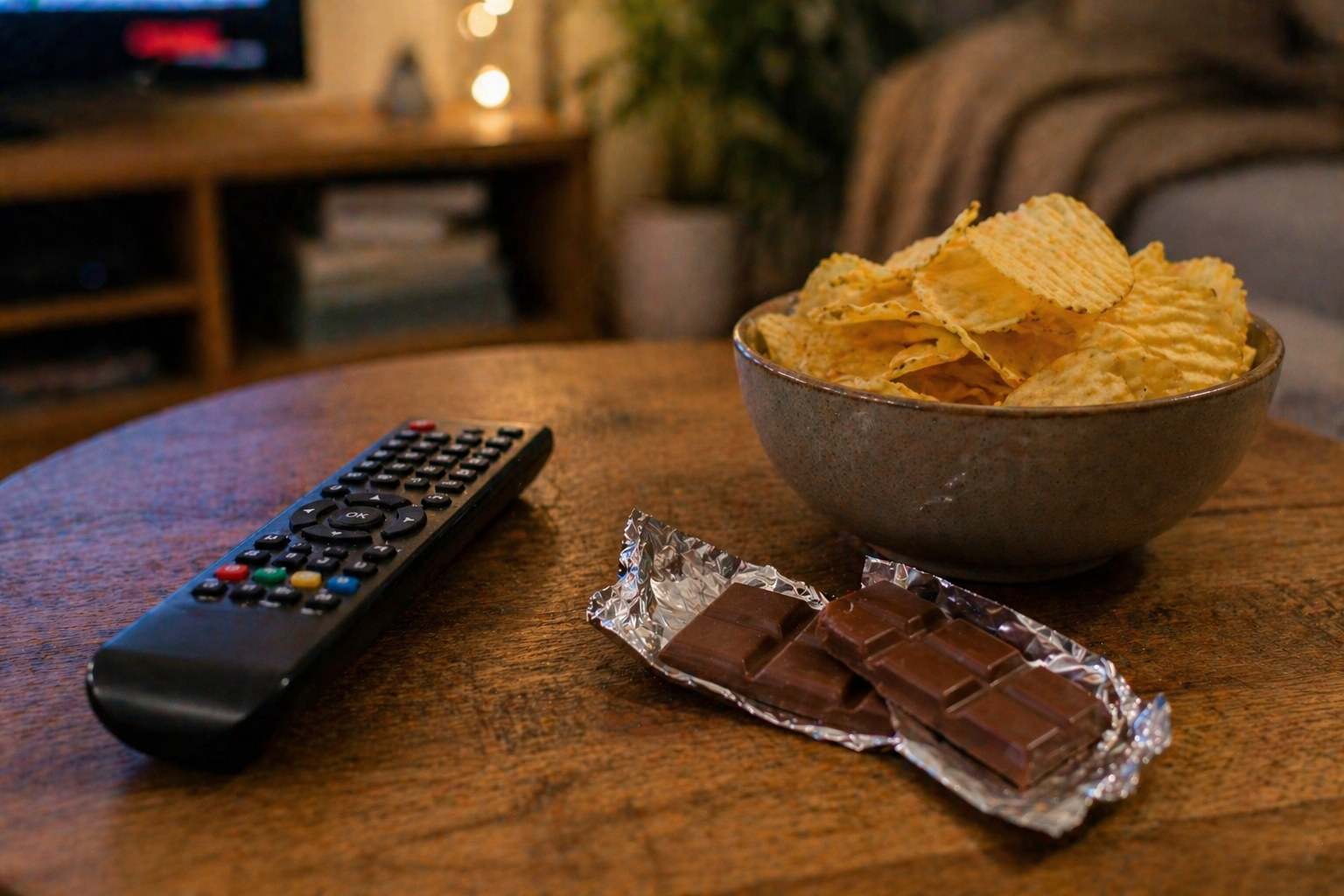
It can feel confusing. You might know you are not hungry. You may have eaten enough. Your body is not asking for food in any obvious way. But the idea of crisps with television, something sweet after dinner, or a biscuit with a cup of tea still turns up.
This does not mean the medication is not working. It also does not mean you are doing something wrong. It usually means the physical appetite has changed faster than the habits around eating.
Snacking is not always driven by hunger. For many people, snacks have been tied to the shape of the day for years. A snack after work. Something sweet once the kids are in bed. Crisps while watching a programme. A biscuit during a break. These moments can become linked with comfort, reward, rest, or simply a change of pace.
When the same time of day arrives, our brain remembers the pattern. It may offer the thought of food even when the body does not need it. That thought can be surprisingly convincing because it is familiar. It has probably worked before as a pause, a treat, or a way to mark that the day is winding down.
Evening snacking is especially common. By that point, people are often tired. There may be less structure, fewer distractions, and more automatic routines. The kitchen is nearby. The television is on. The day is done, but the mind has not quite settled. Food can become part of the transition from doing to resting.
This is why the question is not always, “Am I hungry?” Sometimes the better question is, “What is this snack doing for me?” It might be a reward. It might be comfort. It might be habit. It might be that dinner was too small or happened too early. More than one thing can be true at the same time.
On weight loss medication, these urges may feel different from before. You may still want the snack, but only eat a small amount. You may take a few bites and lose interest. You may find the thought of the snack is stronger than the enjoyment of actually eating it. That can feel strange, but it is useful information. It tells you that the habit is still active, even if appetite has changed.
It can help to pause before acting on the urge, not in a strict or punitive way, but just long enough to notice what is happening. You might ask yourself whether you are physically hungry, whether you need something because you have eaten too little, or whether this is a familiar routine showing up at its usual time.
If you are hungry, eating makes sense. A planned snack can be useful, especially if your meals are smaller. Yoghurt, fruit, cheese and crackers, a boiled egg, a small bowl of cereal, or toast can all be reasonable options depending on the day. Snacking is not automatically a problem.
If it is not hunger, you still do not need to turn it into a battle. Sometimes the urge passes if you make a cup of tea, brush your teeth, move to another room, or give yourself ten minutes before deciding. Sometimes you may choose to have the snack anyway, but notice that a smaller amount is enough. That still counts as change.
What tends not to help is harsh self-talk. Telling yourself you should not want snacks anymore usually adds pressure without changing the habit. The aim is to understand the pattern so it becomes less automatic over time.
For some people, it helps to keep one or two planned snacks available rather than relying on whatever is easiest in the moment. This is particularly useful if appetite is very low at meals and you need another opportunity to get some protein or fibre into the day. A snack can be part of a good routine. The difference is whether it is serving you, or whether it is simply happening because the cue appeared.
There will also be times when snacking is emotional. Stress, boredom, loneliness, frustration and tiredness can all bring food to mind. That does not make the urge wrong. It just means food has been one of the ways your system has learned to soothe or settle itself. Medication can reduce appetite, but it does not erase those links overnight.
If snacking feels frequent, distressing, secretive, or difficult to manage, you can follow the links on our homepage to book a one-to-one call with a Synergy BMI specialist. Sometimes it helps to look at the pattern with someone who understands both the medication and the habits that sit around eating.
Wanting a snack when you are not hungry is not a sign that treatment has failed. It is often a sign that an old routine is still running in the background. With time, attention and less judgement, those routines usually become easier to recognise and easier to change.
Educational content only. This article does not replace medical advice. If side effects persist, worsen, or cause concern, speak with your prescriber.
© Synergy Wellness Limited trading as Synergy BMI. All rights reserved. This content may not be reproduced, copied, distributed, or used without written permission.