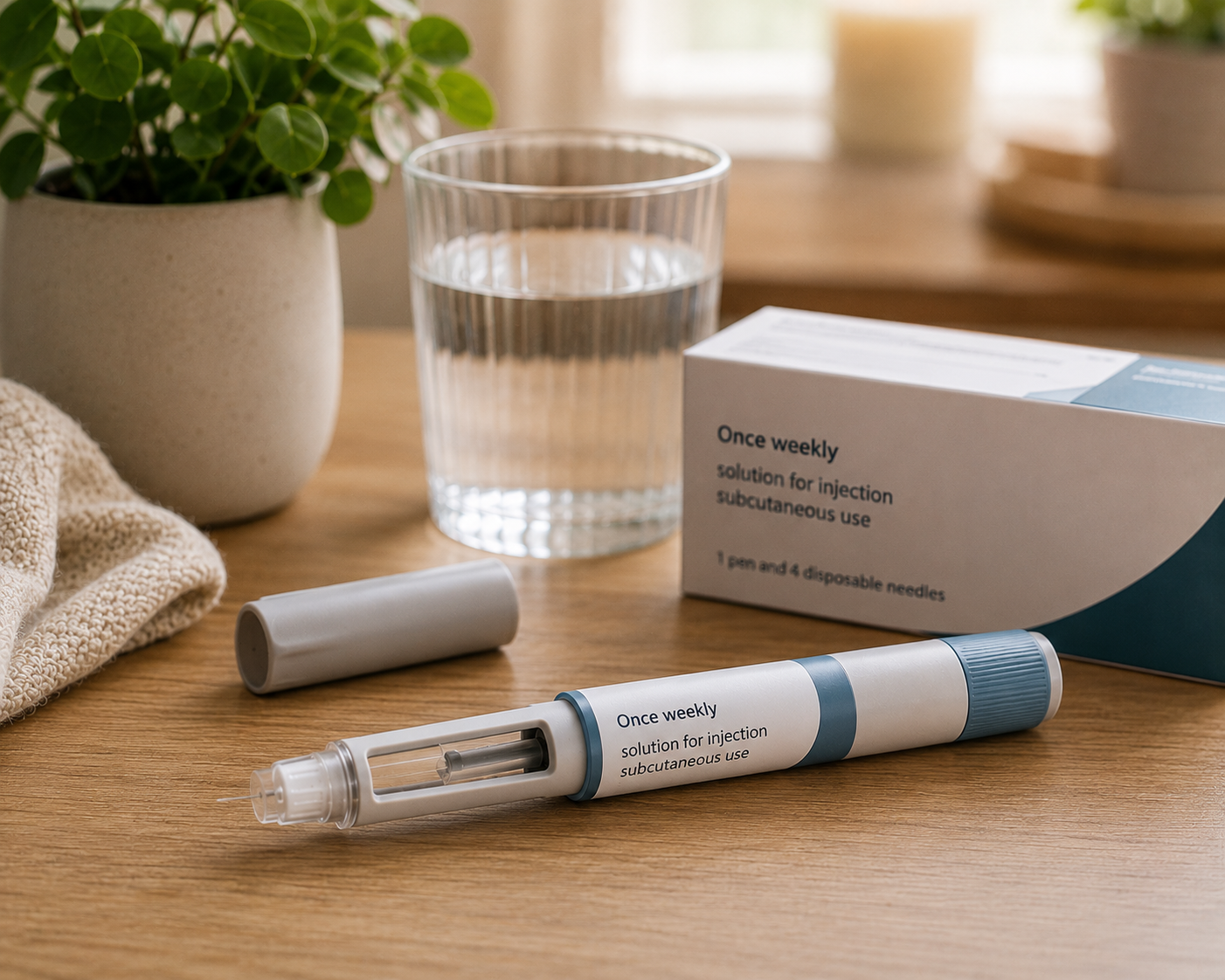

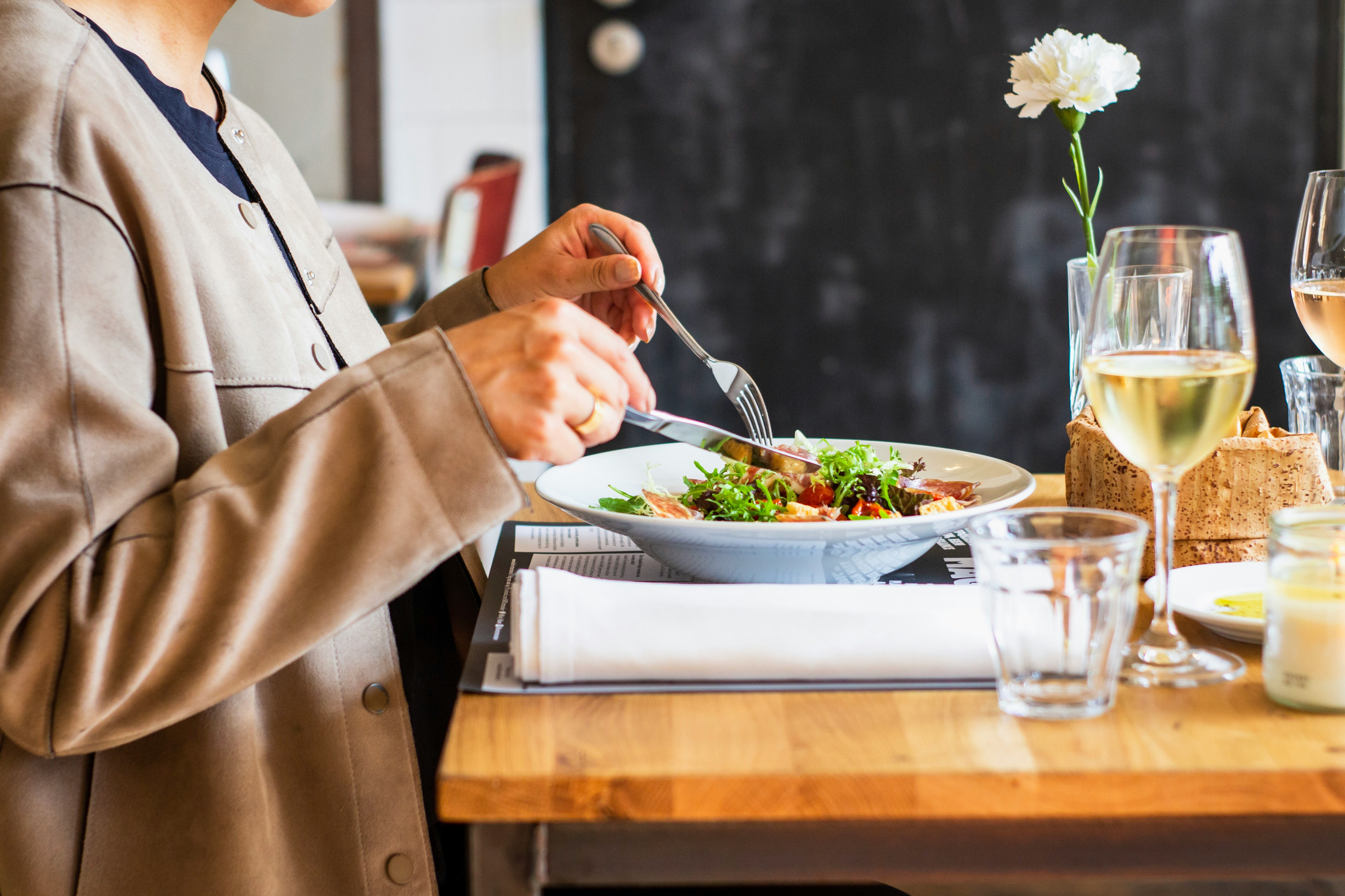
Eating outside the home can feel different once you are on weight loss medication. It is not usually the social side alone that changes. The food itself can feel different too. A portion that once looked normal may now look too much before you even start. Something you used to order without thinking may still appeal, but only in a much smaller amount.
This can catch people out. You may open a menu and realise that the meals you normally enjoy still sound nice, but you are already wondering whether you will manage them. Or you may order what you would have ordered before and then feel full much earlier than expected. That can feel wasteful or awkward at first, especially if other people are still eating.
Standard restaurant and takeaway portions are not designed around your appetite on medication. They are designed to look generous and satisfying to a broad range of people. Once your appetite changes, the mismatch becomes more obvious. It is very common to need less food than the plate or container provides.
That does not mean eating out has to become complicated. It usually means ordering with a little more awareness than before. You might choose a starter as your meal, share something, skip the extra side you would normally add automatically, or accept from the start that some food may be left over. In some places you can take food home. In others, you simply leave what you do not need.
There can be a bit of mental adjustment in that. Many people are used to getting their money’s worth from a meal by finishing it. On medication, value may need to mean something different. The meal has done its job if you enjoyed it, felt included, and stopped before becoming uncomfortable. Finishing everything is not the only measure.
How food sits afterwards is also worth noticing. Some people find that large, greasy, creamy or very heavy meals leave them feeling more nauseous, bloated or refluxy than they used to. Others are fine with the same foods, but in much smaller amounts. You may not know until you have a few experiences to compare.
It helps to treat those experiences as information rather than mistakes. If a particular meal leaves you uncomfortable, it does not mean you can never have it again. It may mean the portion was too large, you ate too quickly, it was too late in the evening, or that the food itself is harder for your stomach to manage now.
When appetite is limited, it is still worth thinking about what the meal gives you. Protein is useful because it helps the meal sustain you. This might be fish, chicken, eggs, lean meat, tofu, beans, lentils, yoghurt or cheese, depending on where you are eating. Carbohydrate can still have a place too, but the portion may be smaller than before. A meal with some protein, some energy and a little fibre will usually carry you better than filling up very quickly on foods that offer little nourishment.
Takeaways often need the same kind of adjustment. The old order may simply be too much food now. You might order fewer sides, share, choose one main thing rather than several extras, or keep some for the next day. Some people find they enjoy the same takeaway more when they stop treating the full order as something to finish in one sitting. The useful change is often not choosing a completely different takeaway. It is ordering in a way that fits your appetite now.
Convenience food at home belongs in this conversation as well. Not every meal can be cooked from scratch, and low appetite can make cooking feel oddly unrewarding. It is hard to put effort into a meal you may only manage a small amount of. That is where simple options can be helpful: soup with added chicken or lentils, beans on toast, eggs, a ready meal with extra vegetables, yoghurt with oats, tinned fish with crackers, or microwave rice with something added to it.
These meals are not second best because they are simple. They are often what allows eating to happen on a busy day, a low-appetite day, or a day when cooking feels like too much. A practical meal that you can actually manage is more useful than an ideal meal that never gets made.
Alcohol may also feel different once portions are smaller. Some people find they feel the effects more strongly when they are eating less, or that alcohol makes nausea, reflux or dehydration worse. If you choose to drink, it makes sense to go slowly, avoid drinking on an empty stomach, and notice whether your tolerance has changed.
There is also the familiar pull of how meals out used to work. Ordering more because everyone else is ordering more. Having dessert because that was always part of the evening. Finishing because you paid for it. These habits can take time to loosen, especially when food has been part of how you join in and enjoy yourself.
You do not need to get every meal outside the home exactly right. The aim is to learn what feels comfortable now. Most people adjust gradually. They order differently, eat more slowly, stop sooner, or choose foods that sit better, often without making a big announcement about it.
If eating out, takeaways or convenience food are making you feel unsure, or you would like help finding options that fit your appetite and routine, you can follow the links on our homepage to book a one-to-one call with a Synergy BMI specialist.
Food outside the home is part of normal life. It does not need to be avoided, and it does not need to be perfect. The goal is to make it fit the appetite you have now, while still helping you feel well enough to get on with the rest of your day.
Educational content only. This article does not replace medical advice. If side effects persist, worsen, or cause concern, speak with your prescriber.
© Synergy Wellness Limited trading as Synergy BMI. All rights reserved. This content may not be reproduced, copied, distributed, or used without written permission.