
Low appetite days can be oddly difficult to manage. From the outside, it might sound simple enough. You are less hungry, so you eat less. In real life, it is not always that tidy. You may know that your body needs something, but nothing appeals. You open the fridge, close it again, make tea, answer a few emails, and suddenly most of the day has passed with very little food.
This can happen when weight loss medication is working strongly, particularly after starting treatment or moving up a dose. It can also happen during busy weeks, after poor sleep, or when nausea is sitting quietly in the background. The issue is not usually lack of knowledge. Most people know food matters. The problem is that appetite has taken away the usual prompt, and decision-making around food feels heavier than expected.
On these days, it helps to lower the burden of eating without letting food disappear altogether. That means having a few meals that are easy enough to manage when you do not feel like cooking, planning or thinking too hard. They do not need to be impressive. They need to be familiar, useful and realistic.
Cold foods often work well when appetite is low. Cooking smells can be off-putting, and a hot meal can feel like too much before you have even started. Greek-style yoghurt with fruit and oats, cottage cheese with crackers and tomatoes, cooked chicken with a small salad, tuna with oatcakes, cheese on wholegrain toast, or boiled eggs with bread are all examples of meals that require very little effort but still give the body something to work with.
Some people find softer foods easier, especially if nausea is present or chewing feels like too much effort. Scrambled eggs, soup, porridge, yoghurt, mashed potato with fish, rice pudding, or a smoothie made with milk or yoghurt can be useful options. A smoothie is not essential, and it will not suit everyone, but for someone who is struggling with solid food it can sometimes be a practical way to get some nourishment in without sitting down to a full plate.
Soup is worth mentioning because many people reach for it on low appetite days. It can be very helpful, but it depends what is in it. A thin vegetable soup may be easy to take, but it may not provide much protein or energy. Adding lentils, beans, chicken, tofu, noodles, rice or potato can make it more substantial. Having a small piece of bread alongside it can also make the meal more sustaining without making it feel large.
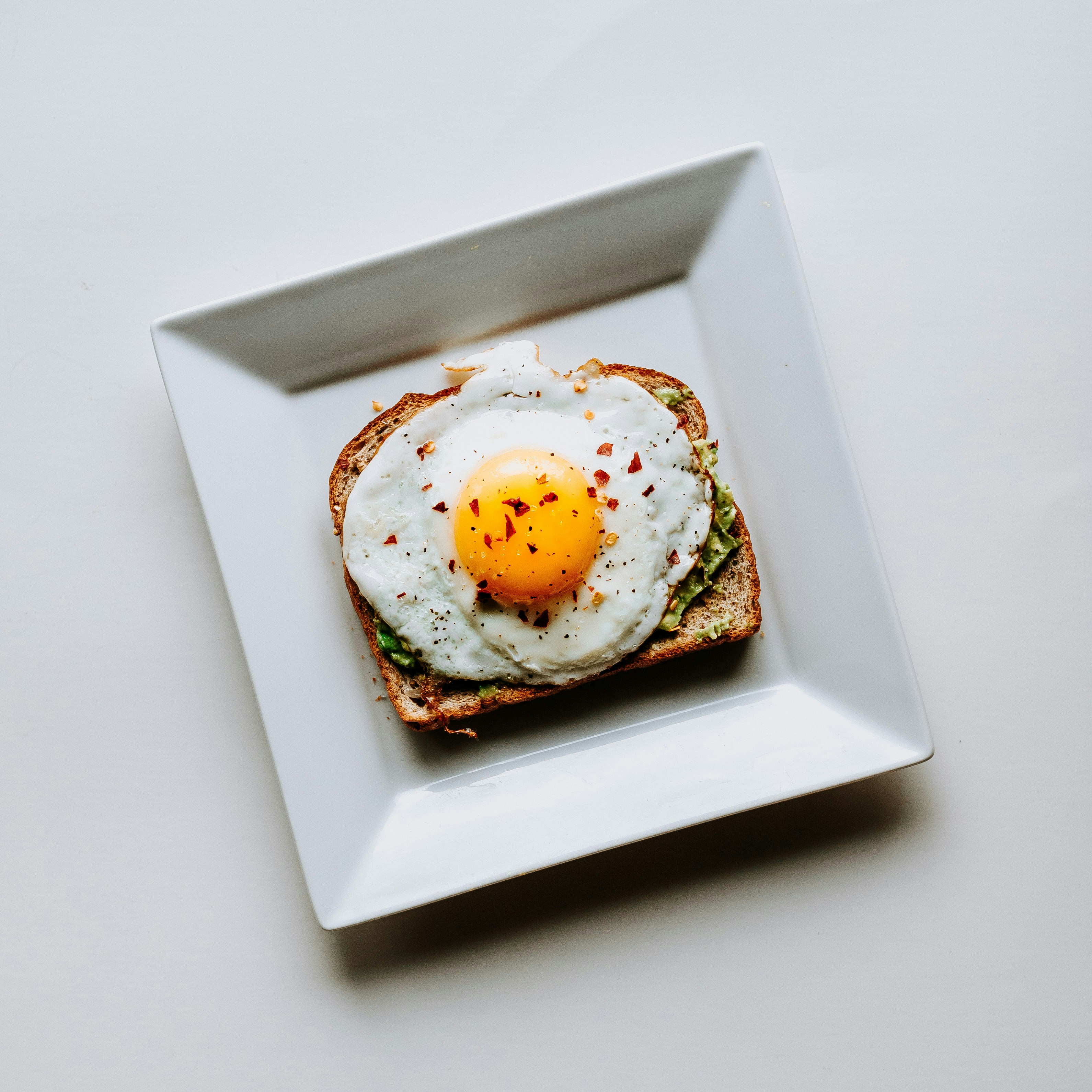
Toast can also be a perfectly reasonable base. What matters is what goes with it. Toast with eggs, beans, cheese, peanut butter, smoked salmon, tuna, hummus or avocado will usually carry you further than plain toast on its own. On a day when appetite is low, that kind of small improvement can make a real difference. You are not trying to create the perfect meal. You are trying to avoid drifting through the day on very little.
For some people, a snack-style plate feels easier than a traditional meal. This might be cheese, crackers, fruit and a few nuts. Hummus, pitta and cucumber. A boiled egg with toast and tomatoes. Yoghurt with berries and granola. Chicken pieces with rice cakes and some salad. These meals can look very ordinary, but they are often exactly what is needed when appetite is low and a full dinner feels unrealistic.
It is also sensible to keep a few low-effort foods in the house. Eggs, yoghurt, soup, tinned fish, cooked chicken, beans, bread, crackers, microwave rice, frozen vegetables and fruit can give you somewhere to start. This is not about stocking the kitchen perfectly. It is about making sure there is something available on the days when appetite has reduced both hunger and interest.
If nausea is part of the picture, very plain foods may be easier for a while. Crackers, toast, rice, potatoes, banana, cereal, yoghurt or soup may sit better than heavier meals. Some people find that an empty stomach makes nausea worse, even when eating feels unappealing. A small amount earlier in the day can sometimes prevent things from building. If nausea is persistent, worsening, or stopping you from eating and drinking properly, that should be discussed with your prescriber.
One of the more useful distinctions on low appetite days is the difference between not fancying food and not needing food. They can feel similar, but they are not always the same. You may not feel drawn towards eating, while your body still needs enough to prevent headaches, tiredness, dizziness or feeling washed out later.
This is where having two or three fallback meals written down can help. When appetite is low, deciding what to eat can become part of the problem. If the decision is already partly made, eating takes less effort. It might be yoghurt and oats, soup with bread, eggs on toast, tuna crackers, or a small smoothie with something alongside it. The exact foods matter less than having options that you can actually use.
Low appetite days are not a competition to see how little you can manage. They are also not a reason to panic. Most of the time, they need a simpler plan and fewer expectations. The more familiar your fallback meals become, the less negotiation there tends to be.
If low appetite is making it difficult to eat enough, or you are regularly feeling weak, dizzy, nauseous or unable to manage normal daily activities, speak with your prescriber. If you would like help finding simple meal options that fit your appetite and routine, you can follow the links on our homepage to book a one-to-one call with a Synergy BMI specialist.
The best low-appetite meals are usually the ones you can repeat without much thought. They do not have to look impressive. They just need to help your body get through the day while treatment is doing its work.
Educational content only. This article does not replace medical advice. If side effects persist, worsen, or cause concern, speak with your prescriber.
© Synergy Wellness Limited trading as Synergy BMI. All rights reserved. This content may not be reproduced, copied, distributed, or used without written permission.